Skid Steer Loader vs. Compact Track Loader: In-Depth Comparison of Pros & Cons
In the world of heavy machinery, the skid steer loader (SSL) and the compact track loader (CTL) are two of the most versatile "tool carriers" available. They look similar and can use the same wide array of attachments, but a core design difference—wheels versus tracks—defines their respective optimal uses.
Understanding the performance variations, maintenance costs, and ideal application scenarios for these two types of equipment is crucial for making the right investment. This guide provides a detailed comparison.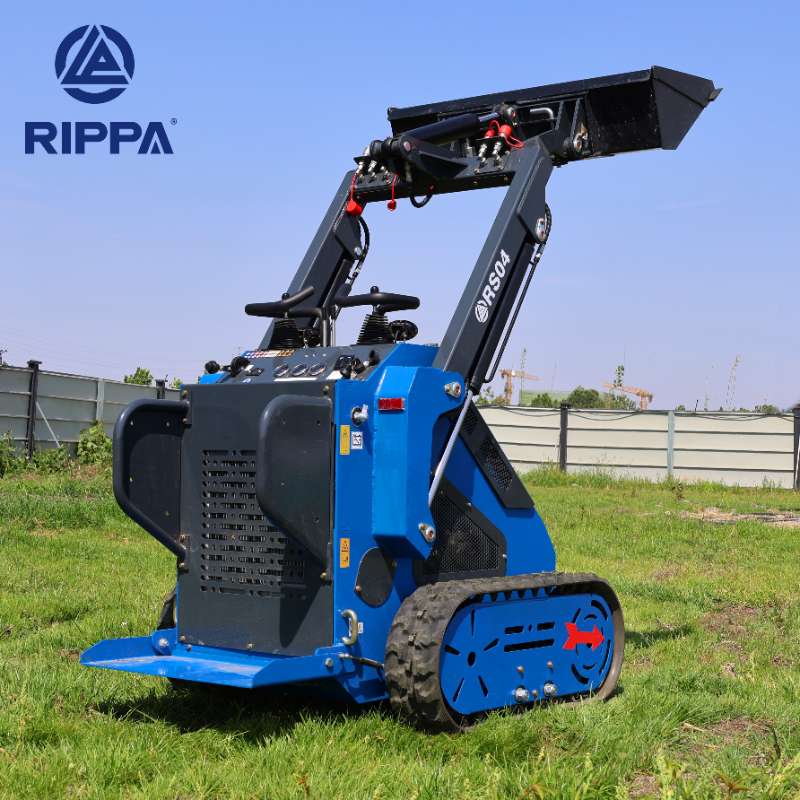
Core Difference: Agility vs. Traction
Characteristics: Faster speed, highly maneuverable, and gentle on paved surfaces.
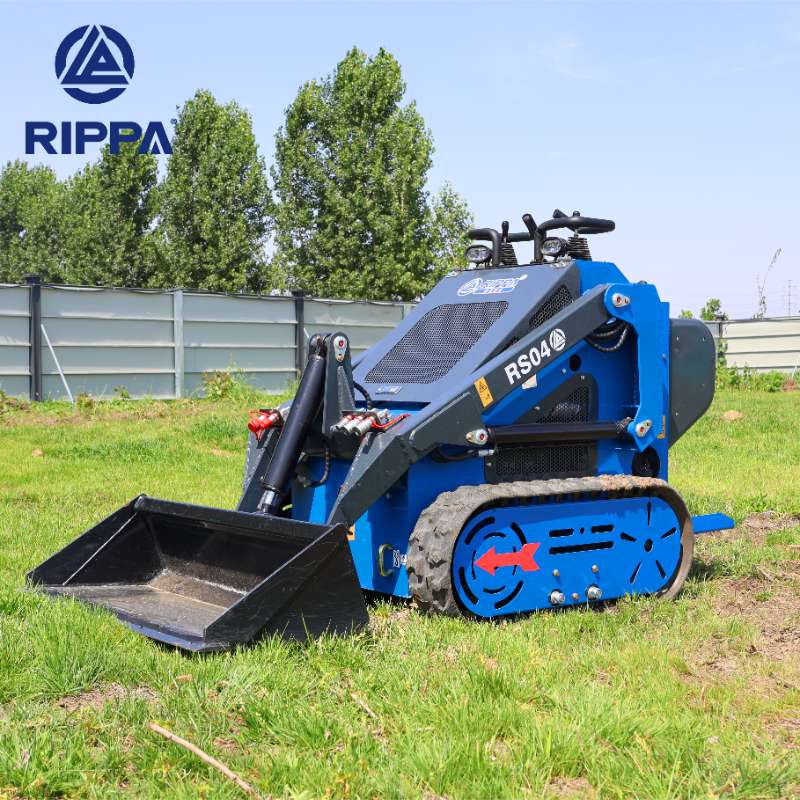
Characteristics: Superior grip, lower center of gravity for stability, and better "floatation" on soft ground.
| Terrain Type | Skid Steer Loader (SSL) Performance | Compact Track Loader (CTL) Performance |
|---|---|---|
| Paved/Hard Surfaces | Excellent. Fast, agile, and causes minimal damage to concrete or asphalt surfaces. | Good. Slower speeds, and turning may cause the tracks to "scrape" the ground, leading to wear over time. |
| Soft Soil/Grass | Poor. Prone to getting stuck or "bogging down," causing significant ground disturbance and compaction to sensitive areas like lawns. | Excellent. Low ground pressure provides good floatation and stability, minimizing damage to sensitive landscapes. |
| Muddy/Slippery Ground | Poor. Prone to wheel spin, cannot generate effective traction, and easily gets stuck. | Excellent. Offers superior traction and stability, making it the preferred choice for challenging, wet conditions. |
| Rough/Uneven Ground | Average. The fixed wheel base results in a bumpier ride and less stability on very rough terrain. | Excellent. Tracks conform better to uneven ground, offering a smoother ride and enhanced stability. |
Skid Steer Loader (SSL):
Purchase Price: Generally lower than a comparable CTL.
Tire Costs: Tire replacement is significantly less expensive than tracks. A set of tires can last a long time with proper operation.
Speed: Faster travel speeds can increase efficiency on large sites.
Compact Track Loader (CTL):
Purchase Price: Typically higher than an SSL.
Track Costs: The undercarriage is the main expense. Tracks wear out, and their replacement cost is high, often requiring other components like idlers and rollers to be serviced simultaneously.
Speed: Generally slower than an SSL.
Indoor & Warehouse Operations: Their compact size and zero-turn capability make them perfect for navigating tight indoor spaces.
Hardscaping & Roadwork: Material handling, sweeping, and loading on concrete or asphalt bases.
Basic Excavation & Backfilling: Standard earthmoving tasks on dry, solid ground.
Landscaping & Sensitive Ground: Working on established lawns, gardens, or parks while minimizing damage.
Agriculture & Farming: Handling feed or clearing manure in muddy fields.
Adverse Weather Construction: Maintaining job continuity in snowy or muddy conditions due to maximum traction.
Sloping Terrain: Better stability and grip for working safely on grades.
Conclusion: How to Make Your Choice
If you need a fast, economical machine primarily for hard surfaces, the Skid Steer Loader (SSL) is your best bet.
If you require stability and traction on soft, wet, or uneven terrain, the Compact Track Loader (CTL) is indispensable, provided you budget for higher undercarriage maintenance.