Must-Read for Novice Operators: Skid Steer Loader Safety and Training Essentials
Skid steer loaders are compact powerhouses, but their unique steering mechanism and powerful hydraulic systems demand rigorous adherence to safety protocols. For new operators, mastering basic controls is only half the battle; the other half is understanding operational safety, enhancing visibility, and knowing emergency procedures.
Maximizing safety training minimizes the risk of accidents, injury, and costly equipment damage. This guide covers essential operating procedures, visibility techniques, and safety features for beginner skid steer operators.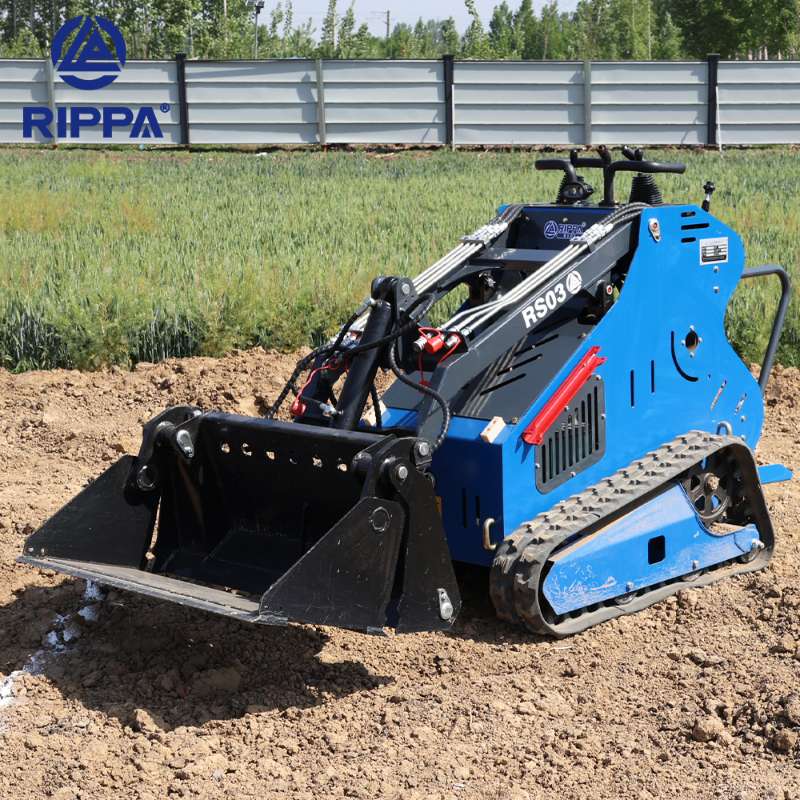
The Foundation: Pre-Operation Procedures and Safe Practices
Safety begins before you even turn the key. A thorough daily routine is non-negotiable.
Daily Inspection Checklist
Always perform a walk-around inspection:
Check Fluid Levels: Engine oil, hydraulic fluid, coolant, and fuel.
Inspect Tires/Tracks: Look for severe wear, damage, or correct pressure (for wheeled models).
Check Safety Systems: Ensure seatbelts, operator presence switches (which typically disable the hydraulics if the operator leaves the seat), and parking brakes are functional.
Inspect the Site: Before starting work, identify overhead obstacles (power lines), underground hazards (utility lines), soft ground, and the location of other workers.
Basic Operating Rules
Always Wear Your Seatbelt/Restraint Bar: This is your primary safety device. The restraint bar must be down to operate the machine safely.
Keep Your Arms and Legs Inside the Cab: A skid steer's moving parts are extremely powerful.
Never Carry Passengers: The cab is designed for one operator only.
Travel and Turn on Level Ground: Avoid steep slopes when possible. If you must operate on a slope, keep the heavier end of the machine (usually the engine end when empty) uphill.
Lower the Bucket/Attachment: Always drive with the load or empty bucket as low to the ground as possible. This maintains a low center of gravity and prevents tipping.
Enhancing Visibility: A Critical Safety Skill
Due to their design (rear engine placement, lift arms), skid steers inherently have blind spots. A skilled operator actively manages their visibility.
Utilizing Mirrors and Technology
Adjust Side Mirrors: Ensure side mirrors are correctly positioned to cover your blind spots around the rear and sides of the machine.
Strategic Use of Rear View: Operators should constantly use peripheral vision and mirrors. Many modern machines now come standard with rear-view cameras that significantly improve visibility when reversing, which is a major area of concern for accidents.
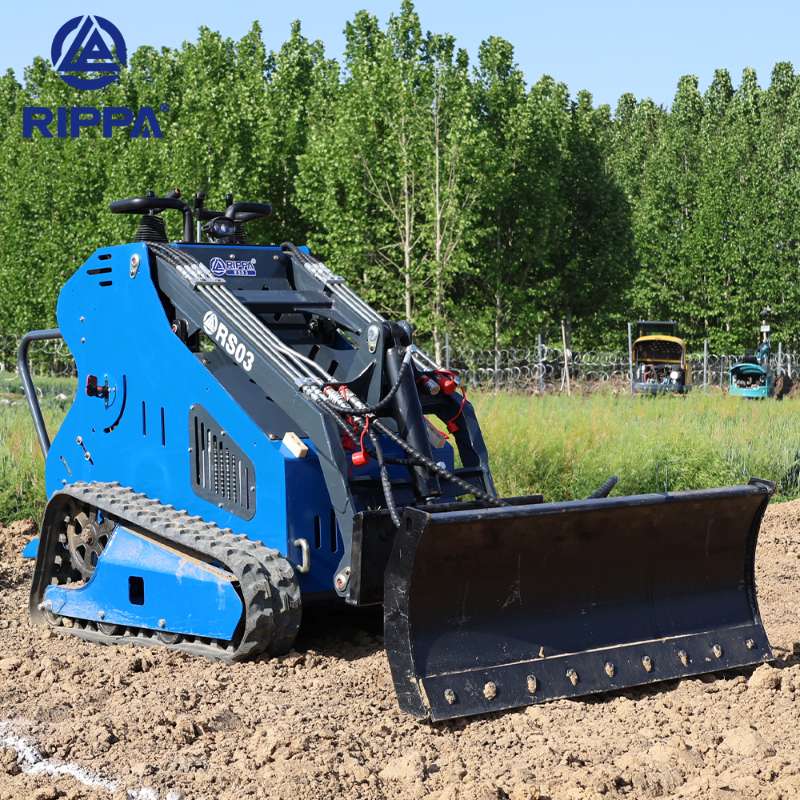
Best Practices for "Seeing" the Site
Look Before You Move: Swivel your head 360 degrees before reversing or making sharp turns.
Communicate with Workers: Use signals or radio contact to ensure ground personnel are aware of your movements.
Keep Windows Clean: Maintain clear visibility through the front, side, and rear windows.
Be Aware of the Load: When carrying a high load, forward visibility may be obstructed. In these cases, it may be safer to travel in reverse, ensuring the load is still carried low.
Emergency Operation and Safety Features
Knowing how to react when things go wrong is paramount.
Understanding Operator Presence Controls
Most modern skid steers incorporate safety interlocks. If the operator lifts the safety bar, stands up, or unbuckles their seatbelt, the hydraulics and drive functions are instantly disabled.
The Emergency E-Stop
Familiarize yourself with the Emergency Stop button (E-Stop). Pressing this immediately cuts power to the engine and hydraulic systems, stopping all movement.
Manual Attachment Release & Entry/Exit Safety
Only Enter/Exit with Arms Down: The single biggest safety violation is climbing out of the cab while the lift arms are raised (e.g., to check the oil or clean the radiator). If the hydraulics fail, the arms will drop instantly.
Emergency Egress: Know how to exit the machine through alternative routes (e.g., the rear window, if applicable to your model) in case the front door is blocked or the machine has rolled over.
Summary: Prioritizing Safety for Success
Operating a skid steer loader requires discipline and constant vigilance. Comprehensive training in pre-operation checks, maintaining visibility, and understanding emergency systems is the best way to prevent accidents and damage.
When choosing equipment, reliability and safety features should be top priorities. Rippa Machinery Group, a manufacturer known for providing reliable and cost-effective compact equipment to markets in Europe and North America, emphasizes robust safety mechanisms and durable designs in their skid steer loaders, offering a solid choice for new operators and businesses prioritizing safe, dependable machinery. Stay safe, stay trained, and operate with confidence.